Economy & Lifestyle
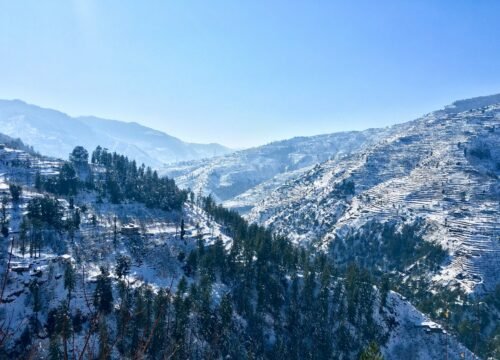
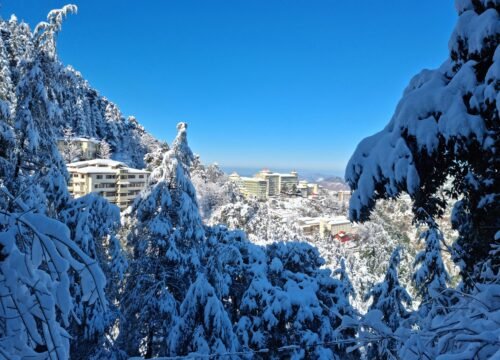
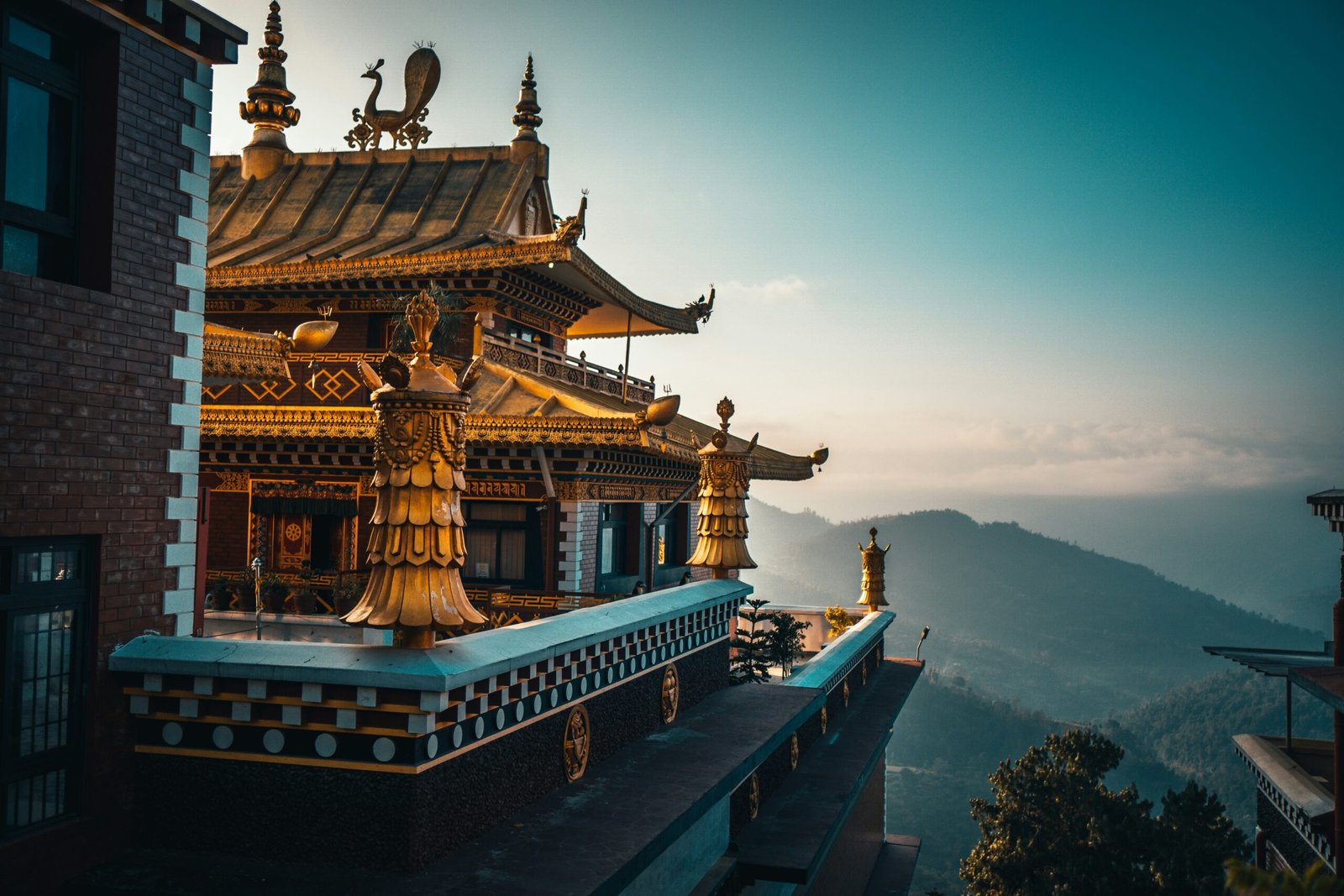
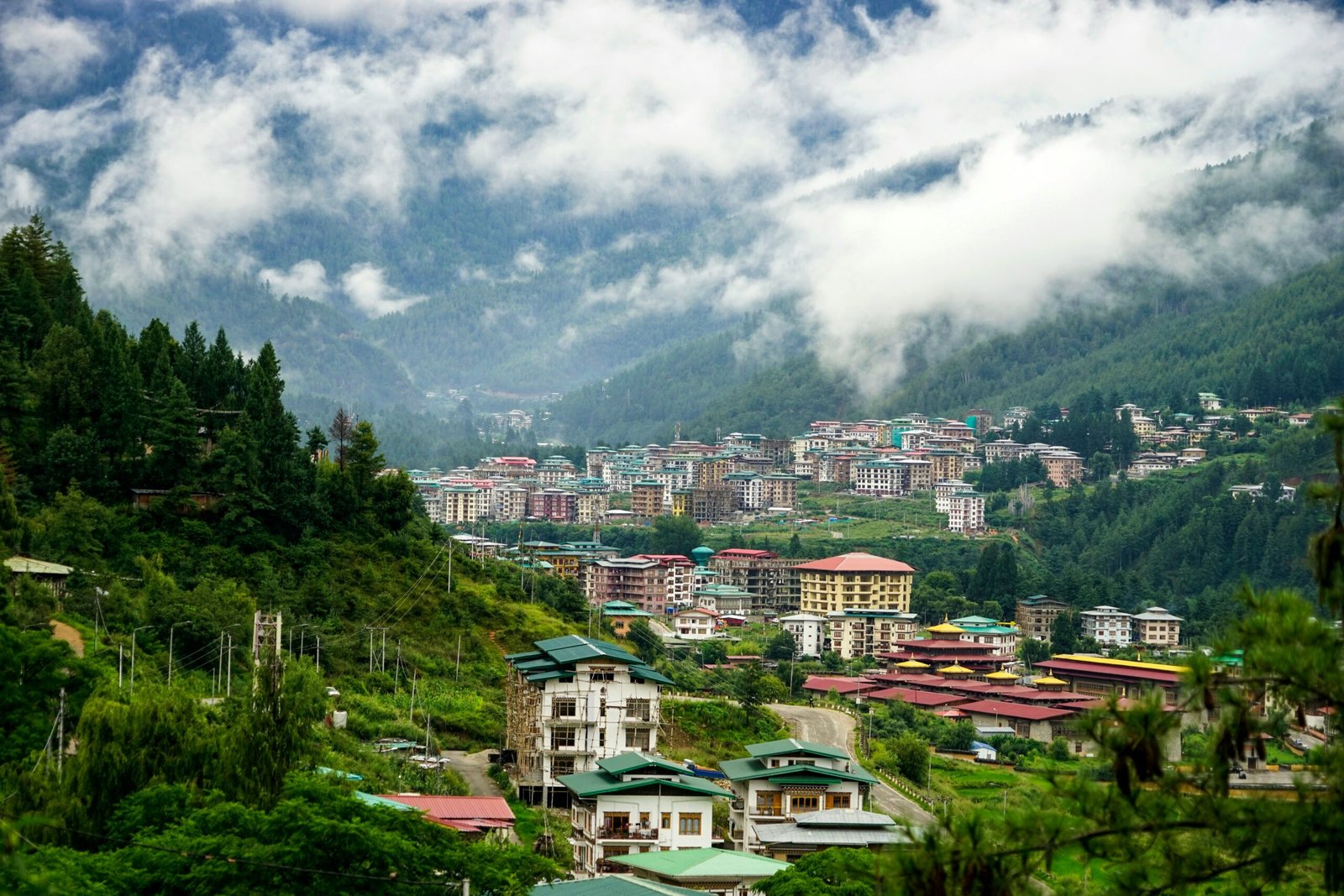
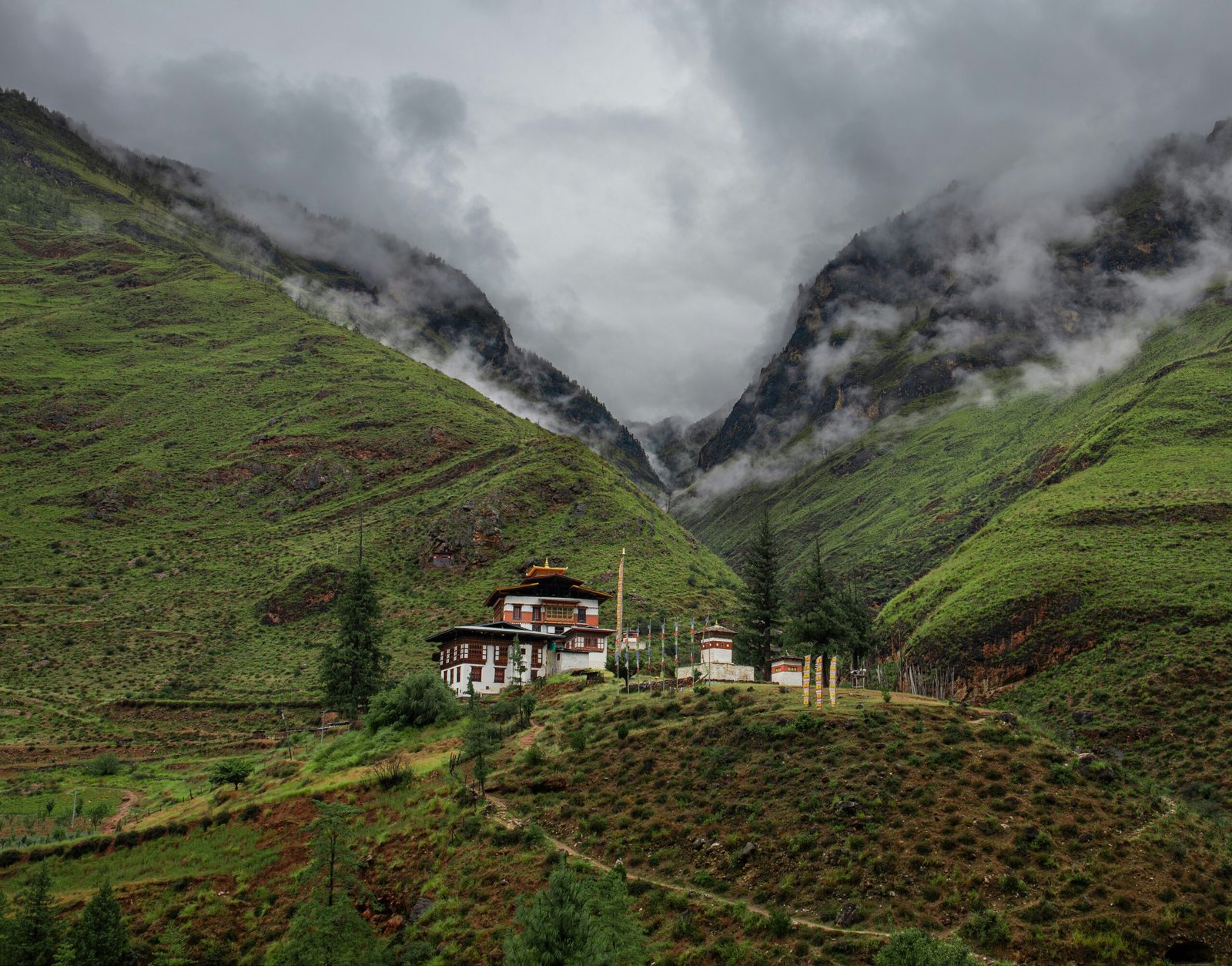
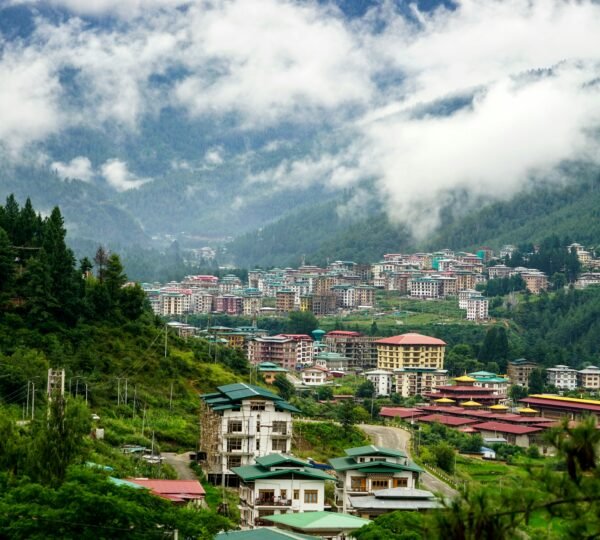
Bhutan’s economy is primarily driven by hydropower exports, agriculture, and tourism. The government strictly regulates tourism through a “high value, low impact” policy to preserve culture and environment. Life in Bhutan is slower-paced, with a focus on community, spirituality, and harmony with nature.Bhutan’s landscape ranges from subtropical plains in the south to alpine mountains in the north, making it a paradise for nature lovers. Towering peaks like Gangkhar Puensum (the world’s highest unclimbed mountain) dominate the northern skyline, while lush valleys like Paro, Thimphu, and Punakha offer serene charm.
Tour Plan
Day 02: Thimphu Sightseeing
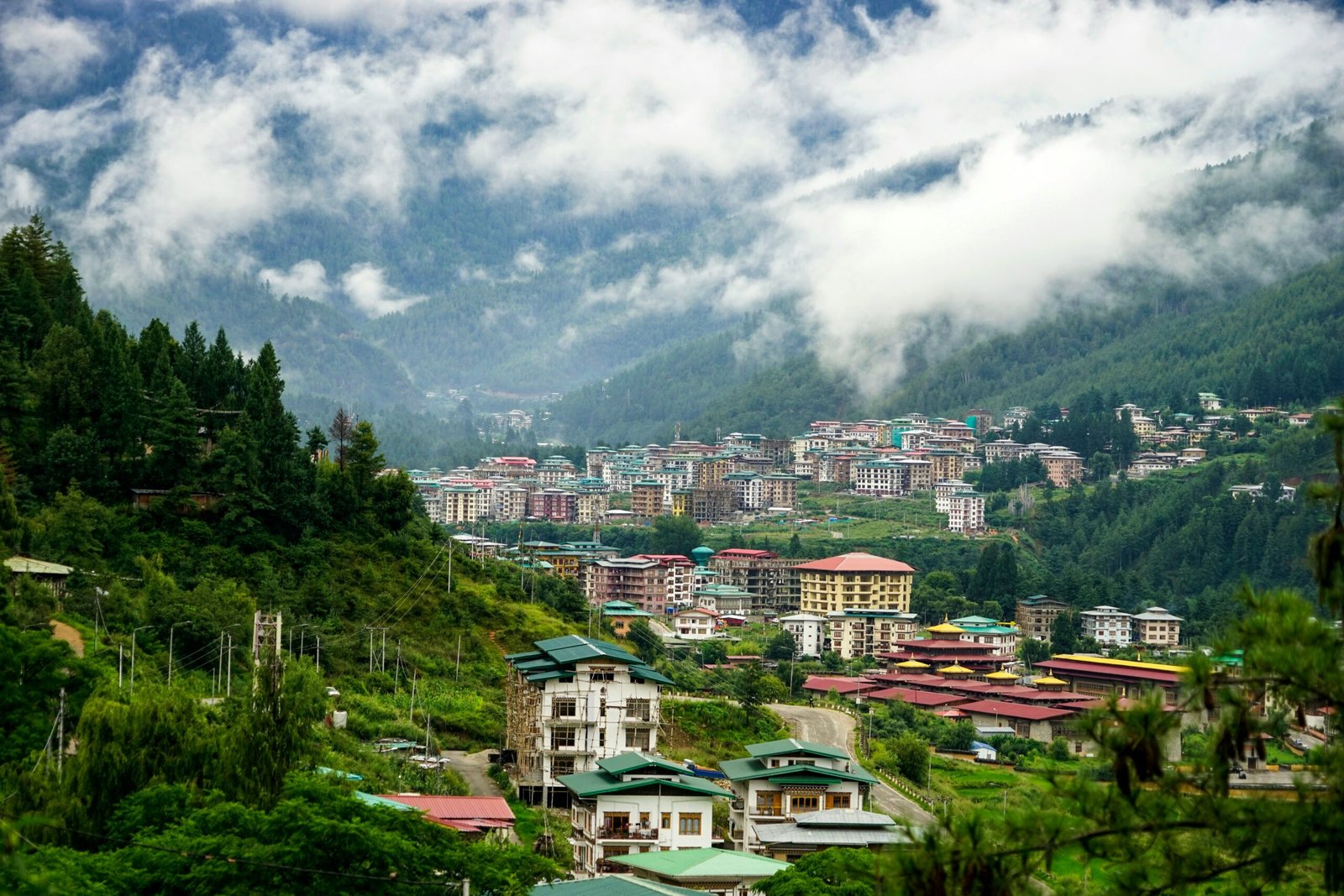
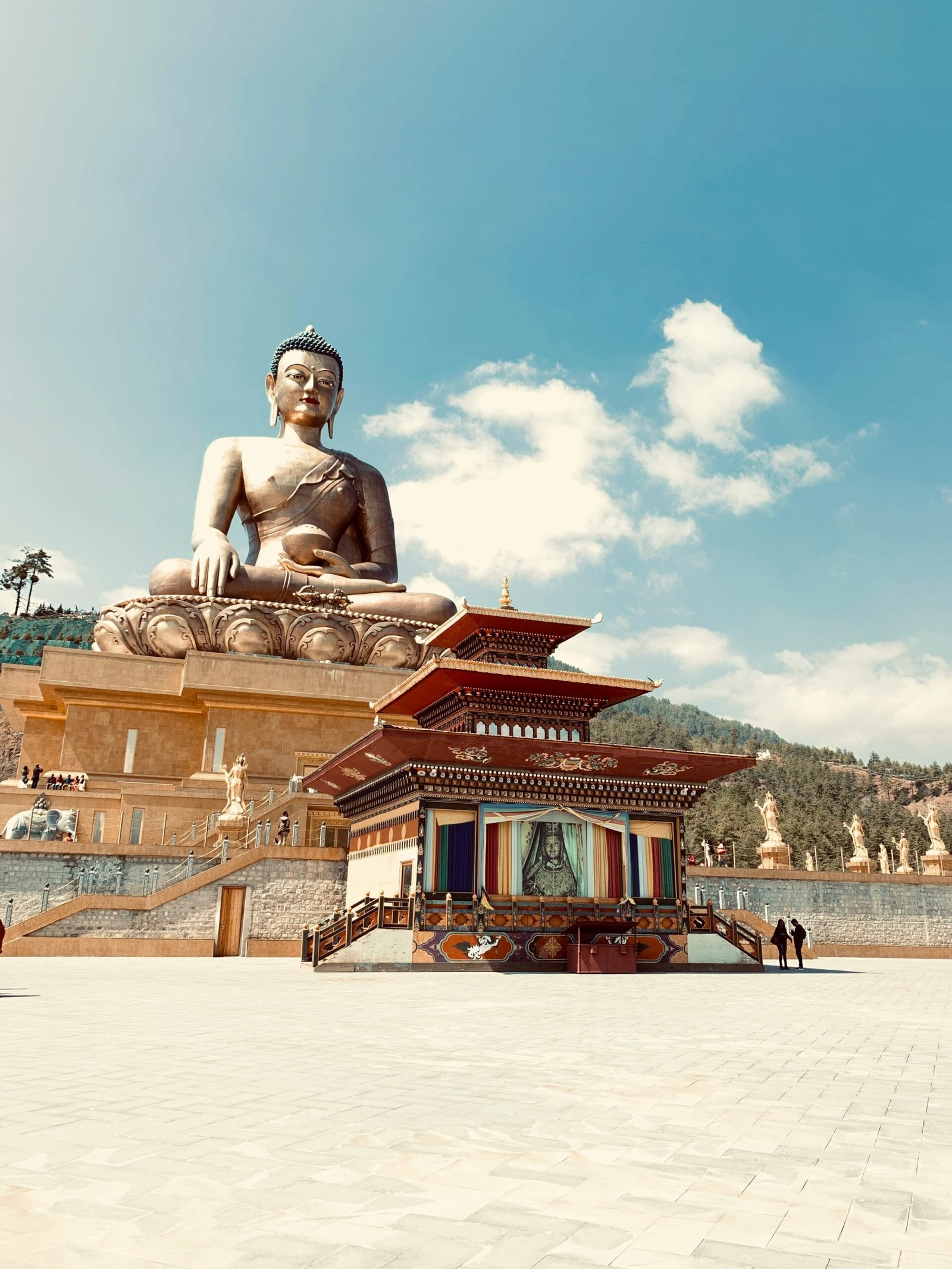
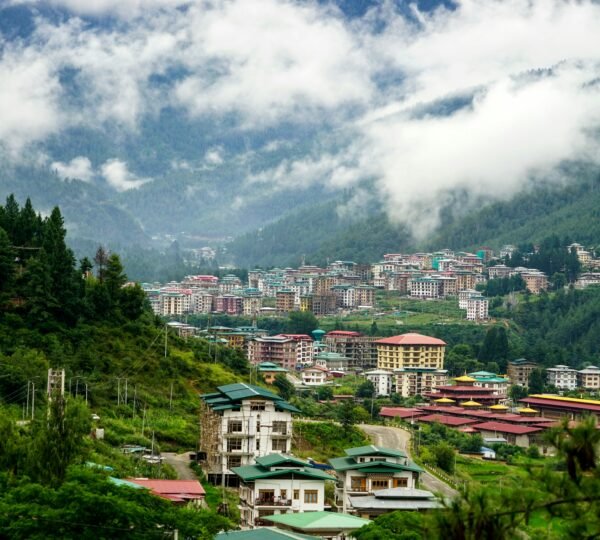
Thimphu- This bustling little city is the main center of commerce, religion and government in the country. Thimphu is the most modern city with an abundance of restaurants, internet cafes, nightclubs and shopping centers. However, it still retains its cultural identity and values amidst the signs of modernization, often referred as world only city without traffic lights. Visit Buddha Dordenma: The largest sitting Buddha statue in the world, is located at a top of the hill in Kuensel Phodrang Nature Park and overlooks the southern entrance to Thimphu valley. Drive pass by Memorial: It is located close to the center of Thimphu city and is one of its most iconic monuments. Visitors will find elderly Bhutanese people circumambulating the Chorten throughout the day. Folk Heritage Museum: It provides visitors and tourists with fascinating insights into the Bhutanese material culture and way of life. Sangaygang View Point: The point offers a stunning panoramic view of the entire Thimphu valley. Takin Zoo: The wildlife reserve area for Takin (Budorcas taxicolor), the national animal of Bhutan with unique story of its creation. Walk around Kaja Throm: built upon the Royal Command as a gift from His Majesty the King, Kaja Throm embraces the value of income generation and vibrant community space with great ambience. Overnight in Thimphu
Day 03: Thimphu to Punakha (2 Hrs)
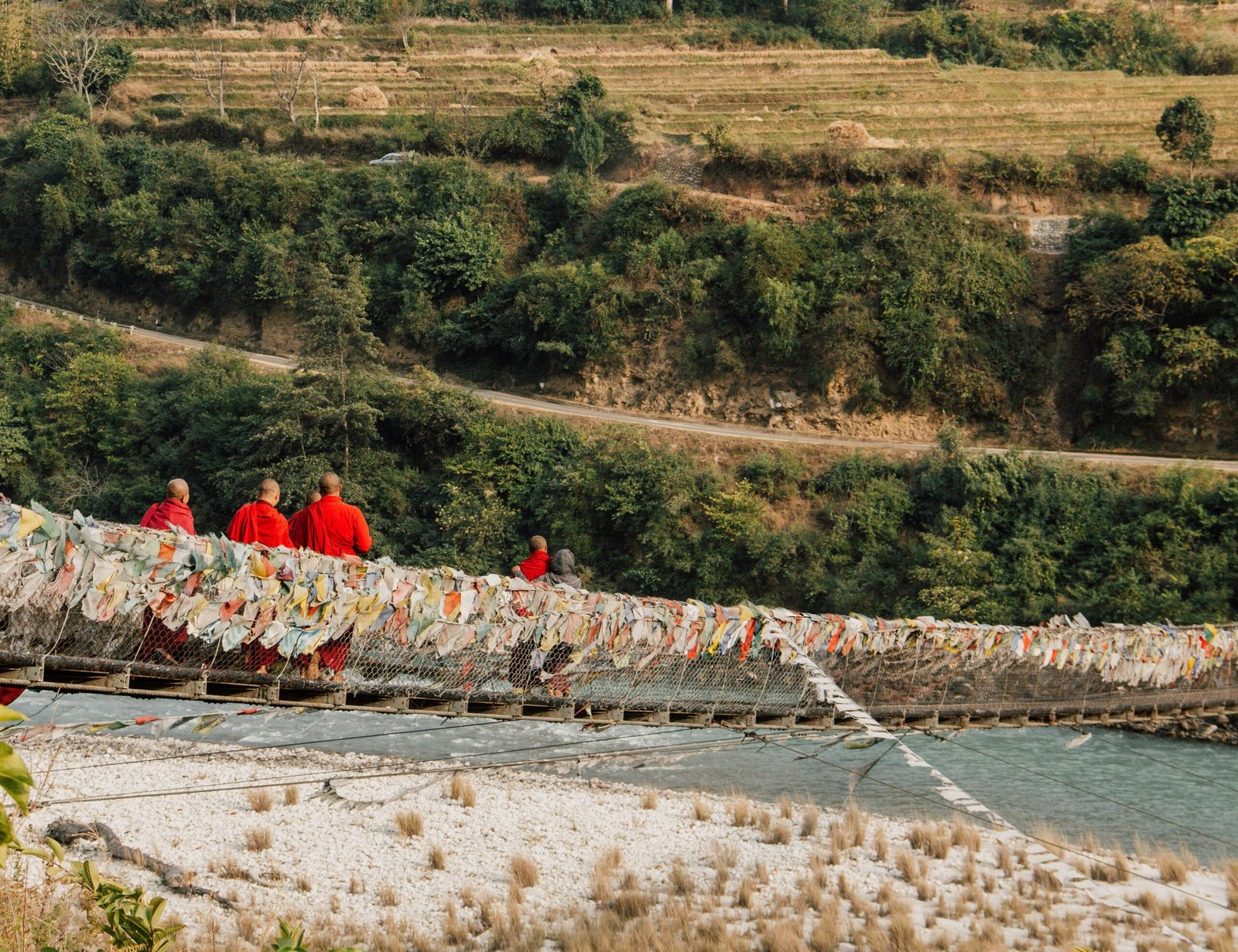
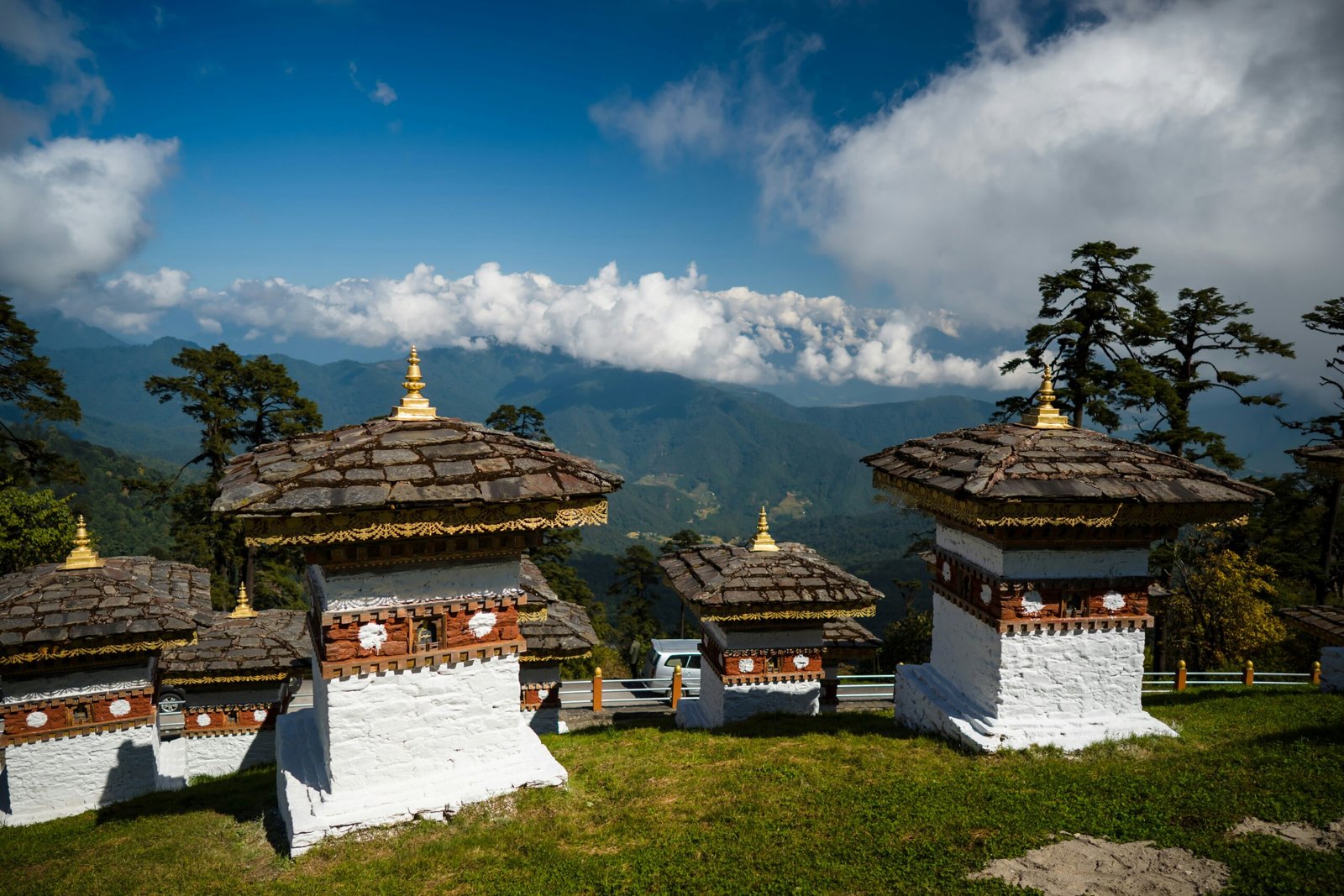
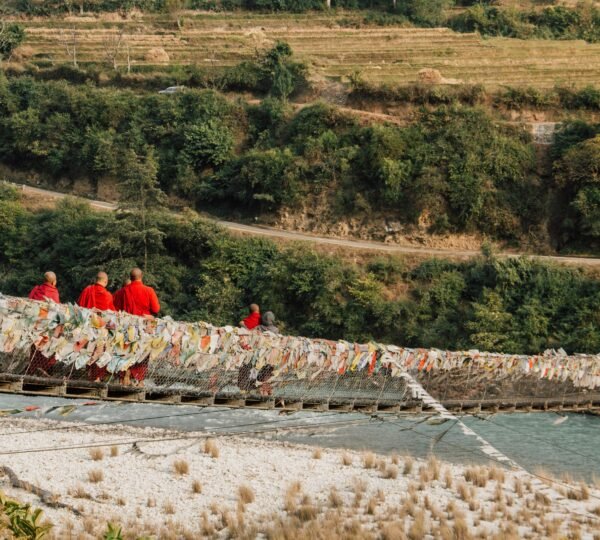
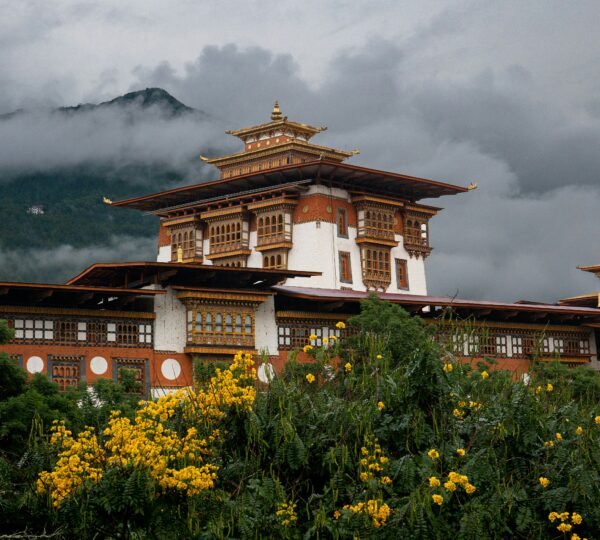
Start the most scenic drive to Punakha from Thimphu over dochula pass which takes about two hours. After the break at Dochula, the road descends into Wangdue and Punakha taking us to one of the warmest places of Bhutan. Dochula Pass- The pass is at a popular location as it offers a stunning 180-degree panoramic view of the Great Himalayan mountain ranges. The view is especially scenic and very clear on winter days with snowcapped mountains forming a majestic backdrop to the tranquility of the 108 chortens gracing the mountain pass. Lamperi Botanical Park- The park has many varieties of plants, herbs, birds and animals. This park is one of the must visit place for birds and nature lovers. You may enjoy the hot packed lunch here if you had planned picnic. Punakha Dzong- Built in 1637 by Zhabdrung Ngawang Namgyal, the Dzong was named Druk Pungthang Dechen Phodrang (Palace of Great Happiness). Punakha is still the winter residence of Je-Khenpo religious head of Bhutan. King Jigme Dorji Wangchuck convened the first National Assembly here in 1952. This is one of the finest and must see Dzongs of Bhutan. The Dzong stands in between meeting point of two rivers, Phochu and Mochu making the most photogenic Dzongs of Bhutan. Punakha Suspension Bridge- Punakha suspension bridge is considered one of the longest of its kind in Bhutan. The bridge connects the dzong with the villages Shengana, Samdingkha and Wangkha on the other bank of the Po Chhu river. In these small villages, locals sell their wares in tiny, traditional shops. Visitors can stop here for a quick and authentic view of true Bhutan. The suspension bridge is only about 15 minutes’ walk from Punakha Dzong. Overnight in Punakha, altitude 1350m
Day 04: Punakha Sightseeing
Punakha is often referred as second capital having best Dzongs of Bhutan. Punakha has the perfect place to awaken the nature lover, take in the splendid views of the Himalayas and listen to the sounds of the Mo Chhu and Po Chhu rivers that simply soak up the serene beauty of this gorgeous valley. Hike to Khamsum Yulay Namgyal Chorten: The temple stands majestically on a strategic ridge above the Punakha valley. It is a splendid example of Bhutan’s fine architectural and artistic talent. The hike to the temple is about 45 minutes one way uphill. It offers amazing views of Punakha valley and Mochu river. Visit Punakha Suspension Bridge: Punakha suspension bridge is considered one of the longest of its kind in Bhutan. The bridge connects the dzong with the villages Shengana, Samdingkha and Wangkha on the other bank of the Po Chhu river. In these small villages, locals sell their wares in tiny, traditional shops. Visitors can stop here for a quick and authentic view of true Bhutan. In order to access the suspension bridge from the dzong, one must walk past the King’s palace and the cremation ground. Visit Sangchhen Dorji Lhuendrup nunnery: Sangchen Dorji Lhendrub Choling is located above Wolakha on the way to Drolay Goemba which serves as a Shedra (Buddhist College) and meditation center scatter the grassy site, home to a small and friendly community of nuns. Overnight in Punakha
Day 05: Punakha to Bumthang (7-8 hrs drive)
The drive though newly constructed road is quite smooth however some of the stretch are still under maintenance. The drive will pass through abundant natural beauty, spectacular landscapes, rich flora and fauna, breath taking hills and snowcapped mountains and iconic Buddhist monasteries. Enjoy the drive through a region of diverse people with unique dialects, dress, food and lifestyle. Today we will be crossing Wangdue, Trongsa and over two passes up until we reach Bumthang. Chendebji Chorten– Located at 2430m, built in the style of the great Bodhanath Temple of Nepal, was constructed by Tshering Wangchuk son of Yon-Say and the Mahasiddha Zhidag in accordance with the prophecy of the second Gangteng Tulku Tenzin Lekpai Dhundrup in order to subdue harmful demons. Trongsa- This district falls at the centre of Bhutan and was considered crucial in controlling the kingdom in ancient history due to its strategic position of the district and particularly Trongsa Dzong. Trongsa Dzong- This is the largest Dzong (fortress) in Bhutan, located in the centre of the country. The Dzong is beautifully built on a spur overlooking the gorge of the Mangde Chhu River.Trongsa Ta Dzong (Museum)- The watch tower was built in 1652 by first Governor of Trongsa. This was built to oversee and safeguard the Trongsa Dzong from any invading forces. Today it houses the Royal Heritage museum. The displays in the museum focused on Buddhist art and Royal memorabilia. Yotongla Pass- The pass divides Trongsa and Bumthang districts. This is one of the highest motor-able road passes at the height of 3460m. The pass is covered with mist and prayer flags most of the time. It is worth for a stop for photo break. Yatha Wool Weaving Center- This center is well known for woolen products, most of the yatha products are made from yak hair, sheep wool and another animal’s wool. This is the best place for buying woolen products like (jackets, caps, purse, muffler etc) Overnight in Bumthang, altitude 2600m
Day 06: Bumthang Sightseeing
Bumthang is the religious heartland of the nation and home to some of its oldest Buddhist temples and monasteries. It is famous for its brightly coloured distinctive woolen item called Yathra and district formed by four valleys. Jakar Dzong or the “Castle of the White Bird”- Dominates the Chamkhar valley and overlooks the town, 3km 1.2 miles away from Chamkhar town. Jampay Lhakhang- One of the oldest temples built in the country. This is the home of the naked dance that is still performed annually. Kurjey Lhakhang- The site where Guru Padmasambhava left the body imprint on the rock behind the temple. Visit for its artistic works and amazing structure. Kharchu Dratsang Monastery- This is an amazing experience to see monks chanting the mantras. The monastery has become part of an extensive effort to preserve and revitalize Bhutanese culture and heritage. Tamzing Lhakhang- Tamshing Lhakhang, founded in 1501 by Pema Lingpa, contains paintings of fundamental interest for the history of painting in this region. Is also one of the oldest temples in the valley. Swiss Cheese Farm & Red Panda Brewery- The Swiss Farm is established by Mr. Fritz Maurer. The project introduced brewing, farming machinery and fuel-efficient, smokeless wood stoves to the valley, as well as its first tourist guesthouse in Bumthang. Swiss cheese and Bhutan’s only native beer, Red Panda, is brewed here. Fees applicable. Overnight in Bumthang
Day 07: Bumthang to Phobjikha (5-6 hrs drive)
Starting early from Bumthang will give us more time on roads to enjoy some of the best view points and passes. The journey will pass through Yotongla, Trongsa, Chendebji and Pelala before arriving in Phobjikha the valley of Black Necked Cranes and rhododendron. Gangtey Nature Hike-Gangtey Nature Trail: This pleasurable walk will give you a nice feel of Phobjikha valley. Gangtey Nature Hike-Gangtey Nature Trail can be combined with a visit to Gangtey Goemba, the local school and Khewa Lhakhang. Gangtey Goemba is the landmark structure of Phobjikha valley. It is the most tourists visited the place during the winter season to see the magnificent black-necked cranes that migrate from far-flung remote parts of Tibet. Black Necked Crane Information Centre- This place is run by the Royal Society for Protection of Nature (RSPN) and has an observation room with high-power telescopes and good scope for spotting the famous Black Necked Cranes which migrates to the region during winter. It also displays information about the history of the region. Overnight in Phobjikha, altitude 2900m
Day 08: Phobjikha to Paro (5 hrs drive)
As we say good bye to the Asian Switzerland, we will retrace the journey back to Thimphu crossing over Pelela, Wangdue, Dochula, up until Chuzom and further to Paro. The entire stretch of drive will refresh your mind and give you second chance to enjoy the great snowcapped mountain views of the Himalayas. Riverside Visit- visit to riverside to enjoy the crystal-clear river and group video/photo is must in Paro. HBT guides will take you to the best place to enjoy at beautiful river banks of Paro. Paro Airport Bird’s Eye View Point- The Paro international airport is among the top 10 most stunning and challenging airports in the world. The view point offers an exquisite view of the Paro valley. Rinpung Dzong- ‘Fortress on a Heap of Jewels’, is ranked one of the best Bhutanese architecture. The massive buttressed walls that tower over the town are visible throughout the valley, particularly when landing at Paro Airport. The Dzong also offers administrative seat of the district of Paro. The Dzong was built in 1644 under the order of Zhabdrung Ngawang Namgyal. National Museum of Paro- Perched above Paro Dzong it was watchtower built in 1649 to protect the undefended Paro Dzong located below, renovated in 1968 to house the National Museum. Today this museum houses the best collections of all-time historical items making worth for a visit. Paro Town- Tiny Paro town actually can offer lot more, there are many authentic handicraft shops, readily available Bhutan made products, grocery and imported garment shops beside having many small restaurants around. Overnight in Paro, altitude 2200m
Day 09: Paro Sightseeing
This picturesque region in the kingdom is covered in fertile rice fields and has a beautiful, crystalline river meandering down the valley. Paro has more of historical sites, high-end tourist resort and many souvenir shops for shopping including world famous Takstang. Taktsang/Tiger’s Nest Temple– is Bhutan’s most iconic landmark and religious Buddhist site in the world. The name Taktsang translates to “The Tiger’s Nest”. The temple is one of the holiest sites in Bhutan which clings impossibly to a sheer cliff face 900 meters above the valley. Although good trekkers can make it to the top in two hours, most of the guests take whole day to complete the hike. Overnight in Paro
Day 10: End of the Tour
Departure from the Kingdom of Bhutan